
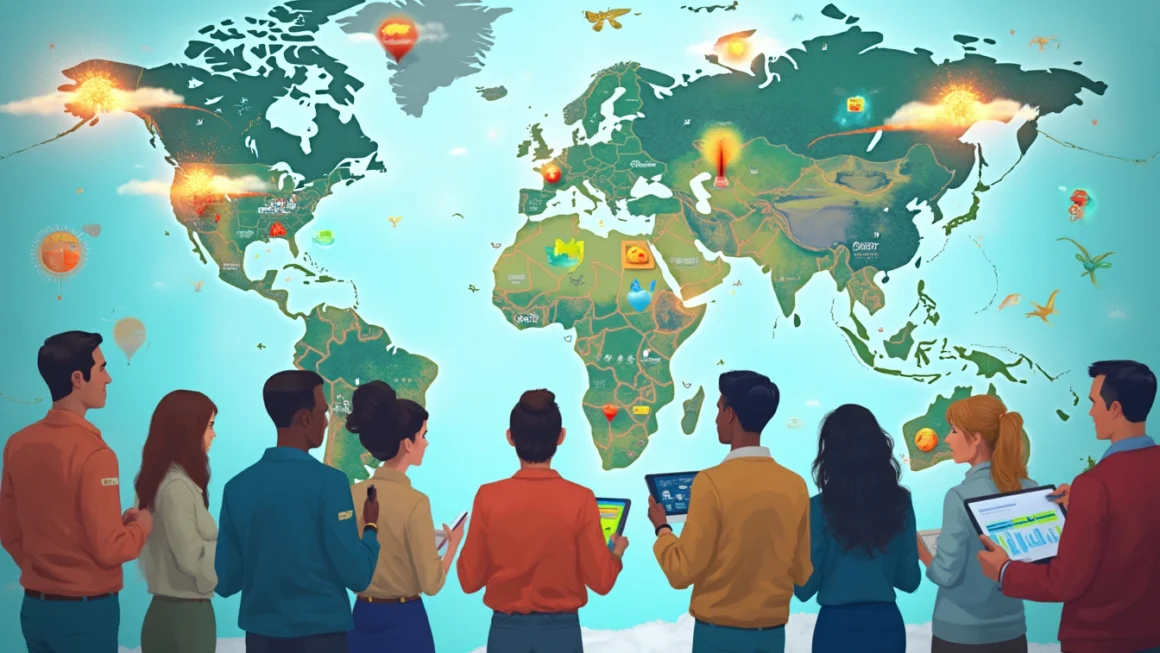
Understanding Climate Change and Its Global Impact
Table of Contents
Climate change has become one of the most pressing issues of our time, affecting every corner of the globe. As temperatures rise and weather patterns shift, the consequences are becoming increasingly apparent and alarming. This article delves into the latest findings on climate change and explores its far-reaching implications for our planet and society.
The Science Behind Climate Change
At its core, climate change is driven by the increasing concentration of greenhouse gases in our atmosphere, primarily carbon dioxide (CO2) from human activities. These gases trap heat, leading to a gradual warming of the Earth’s surface and oceans. Scientists have observed a clear warming trend over the past century, with the rate of warming accelerating in recent decades.
Key indicators of climate change include:
- Rising global temperatures
- Melting polar ice caps and glaciers
- Sea level rise
- Increased frequency and intensity of extreme weather events
Global Impacts of Climate Change
The effects of climate change are not limited to any single region or ecosystem. They are manifesting worldwide in various ways:
1. Environmental Impacts
Climate change is causing significant shifts in ecosystems, leading to habitat loss and species extinction. Coral reefs are bleaching due to warmer ocean temperatures, while arctic animals struggle as sea ice diminishes. Forests are facing increased risks of wildfires and pest infestations.
2. Economic Consequences
The economic toll of climate change is substantial. Extreme weather events, such as hurricanes and floods, cause billions in damages annually. Agricultural productivity is affected by changing rainfall patterns and temperature extremes, potentially leading to food insecurity in vulnerable regions.
3. Human Health Risks
Climate change poses various health risks, including increased heat-related illnesses, the spread of infectious diseases, and respiratory problems due to air pollution and wildfires. Mental health is also affected, with climate anxiety becoming more prevalent, especially among younger generations.
4. Social and Political Implications
As resources become scarcer and habitable land diminishes, climate change could exacerbate existing social and political tensions. Climate migration is expected to increase, potentially leading to conflicts over resources and border disputes.
Mitigating Climate Change: A Global Effort
Addressing climate change requires a coordinated global response. Key strategies include:
- Transitioning to renewable energy sources
- Improving energy efficiency in buildings and transportation
- Protecting and restoring natural carbon sinks like forests and wetlands
- Implementing sustainable agricultural practices
- Encouraging individual lifestyle changes to reduce carbon footprints
International agreements like the Paris Agreement aim to limit global temperature rise to well below 2°C above pre-industrial levels. However, current pledges and actions are not yet sufficient to meet this goal, emphasizing the need for more ambitious climate action.
The Role of Technology in Climate Solutions
Technological innovations are playing a crucial role in combating climate change. From advanced renewable energy systems to carbon capture technologies, science and engineering are at the forefront of climate solutions. Interestingly, automation technologies are also contributing to this effort. For instance, automation platforms can help businesses optimize their processes, reducing energy consumption and waste, thus contributing to overall sustainability efforts.
Adaptation: Preparing for a Changing Climate
While mitigation efforts are crucial, adaptation strategies are also necessary to cope with the changes already set in motion. This includes:
- Developing climate-resilient infrastructure
- Implementing early warning systems for extreme weather events
- Diversifying crops and agricultural practices
- Protecting coastal areas from rising sea levels
The Way Forward
Climate change is a complex, global challenge that requires immediate and sustained action. While the task ahead is daunting, there is still time to make a difference. By combining technological innovation, policy changes, and individual actions, we can work towards a more sustainable and resilient future.
As we move forward, it’s crucial to stay informed about climate science, support climate-friendly policies, and make sustainable choices in our daily lives. Every action, no matter how small, contributes to the collective effort to combat climate change and protect our planet for future generations.