Understanding the Future of Robotics and Artificial Intelligence
Table of Contents
The continuous evolution of technology has paved the way for remarkable advances in robotics and artificial intelligence (AI). As industries strive to capitalize on these advancements, the question arises: how will AI and robotics shape our future? This article delves into the expanding role of AI and robotics, highlighting their potential impacts and the exciting possibilities they bring.
The Expanding Role of Robotics in Various Industries
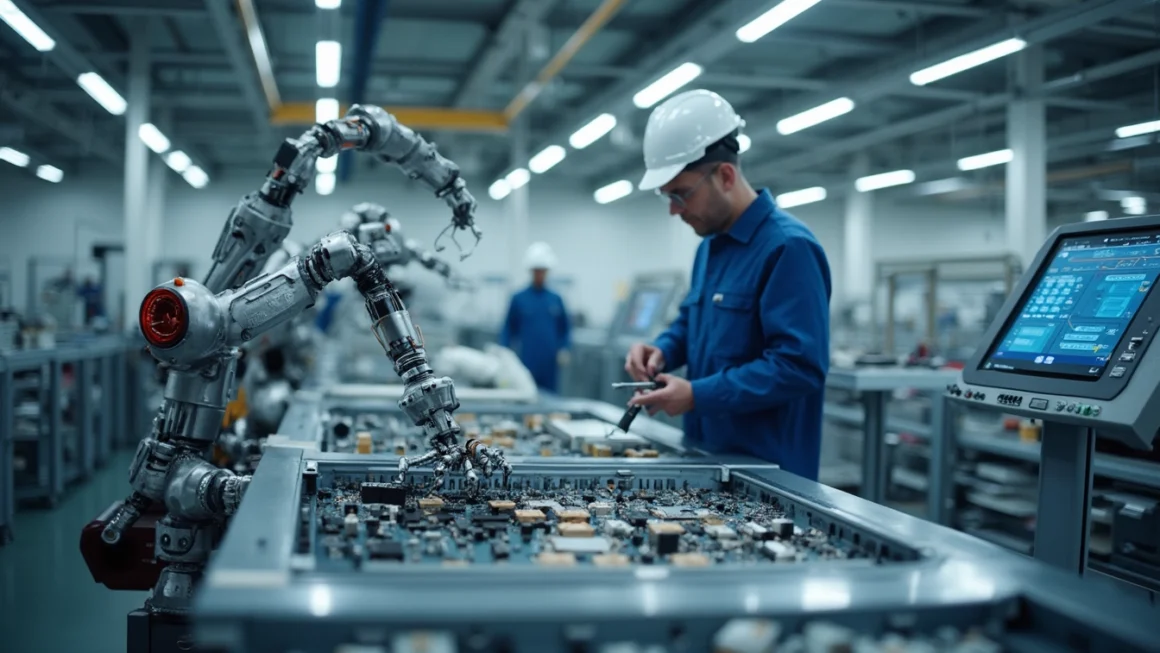
Robotics has infiltrated numerous sectors, transforming traditional processes and improving efficiency. Key industries experiencing significant changes include:
Manufacturing
- Automation: Industrial robots have revolutionized automation, enhancing productivity and precision in manufacturing processes.
- Cost Efficiency: With robots handling repetitive tasks, companies save on labor costs and reduce human error.
Healthcare
- Robotic Surgery: Surgeons now employ robotic assistants for intricate procedures, increasing accuracy and reducing recovery times.
- Patient Care: AI-driven robots assist in routine tasks, allowing healthcare professionals to focus on critical responsibilities.
Logistics and Supply Chain
- Warehouse Automation: Robotics streamline operations by managing inventory, sorting items, and expediting deliveries.
- Transportation: Autonomous vehicles promise to revolutionize logistics by enhancing delivery speed and reliability.
AI Transformations Across the Digital Landscape
Artificial Intelligence, with its ability to mimic human-like problem-solving, is driving innovation across the digital realm. Here are some areas where AI is making significant strides:
Data Analysis
- Predictive Analytics: Businesses utilize AI to analyze trends and forecast future outcomes, ensuring strategic decision-making.
- Customer Insights: AI-driven tools offer deep insights into consumer behavior, aiding in personalized marketing strategies.
Natural Language Processing (NLP)
- Improved Communication: AI-powered NLP enhances interactions between humans and machines, facilitating better customer service.
- Content Creation: AI tools streamline content generation, allowing creators to focus on creative aspects.
Challenges and Considerations in AI and Robotics
Despite their potential, AI and robotics come with challenges that must be addressed for successful integration:
Ethical Concerns
- Privacy: The use of AI raises concerns about data security and individual privacy rights.
- Autonomy: As robots gain autonomy, questions about accountability and ethical decision-making arise.
Technological Limitations
- Infrastructure: Implementing advanced robotics requires robust infrastructure, posing challenges for some industries.
- Maintenance: The complexity of AI systems necessitates continuous monitoring and maintenance.
While navigating these challenges, organizations can leverage resources and insights from various experts to ensure smooth integration of AI and robotics into existing frameworks here.
The Potential for a Revolutionary Future
The future of AI and robotics is brimming with potential. From automating mundane tasks to offering new dimensions of creativity and problem-solving, AI promises to enhance human capabilities. By embracing these technologies responsibly, businesses and individuals alike can unlock a realm of new possibilities.
Conclusion
In conclusion, the impact of robotics and AI on our future cannot be overstated. As we navigate through the complexities of integrating advanced technologies, it is essential to focus on the ethical and societal implications. By addressing these concerns and fostering innovation, AI and robotics will continue to be at the forefront of technological advancement, reshaping industries and enriching human experiences.
Join the conversation and stay informed about the latest advancements by following industry updates and engaging with the community. Whether you’re a tech enthusiast or a professional seeking to adapt to these changes, understanding the dynamics at play is crucial in harnessing the full potential of AI and robotics.