The Controversial Release of Steve Bannon
Table of Contents
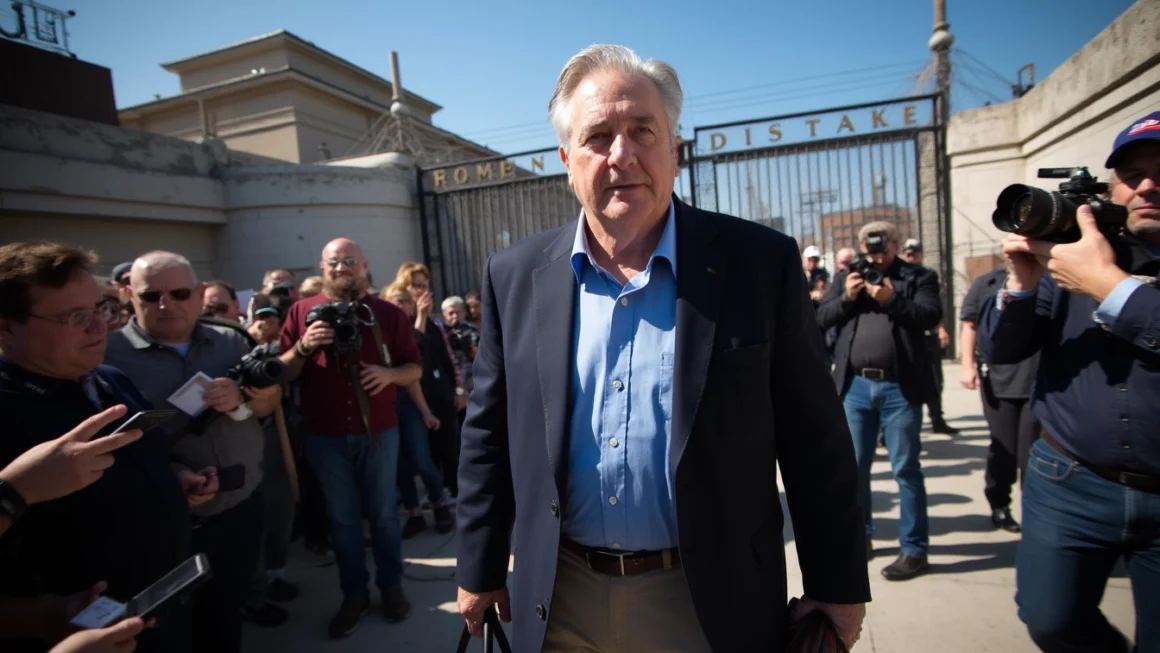
In a turn of events that has captured national attention, Steve Bannon, former chief strategist to President Donald Trump, has been released from federal prison after serving a portion of his four-month sentence. Bannon’s incarceration and subsequent release have reignited discussions about political influence, justice, and the ongoing reverberations of the Trump administration’s legacy.
Background of Bannon’s Case
Steve Bannon was convicted of contempt of Congress in July 2022 for defying a subpoena from the House committee investigating the January 6 Capitol attack. His refusal to comply with the subpoena was seen as a direct challenge to the committee’s authority and the broader principles of congressional oversight.
The conviction led to a four-month prison sentence, which Bannon began serving in November. However, his time behind bars was cut short, leading to his recent release.
The Implications of Early Release
Bannon’s early release has raised eyebrows and sparked debate about the equity of the justice system. Critics argue that it may send a message about preferential treatment for politically connected individuals. Supporters, on the other hand, maintain that the release is in line with standard procedures for non-violent offenders.
Bannon’s Post-Release Stance
Upon his release, Bannon wasted no time in reasserting his political presence. He immediately took to social media and his podcast, “War Room,” to address his supporters and critics alike. His defiant tone suggests that his time in prison has done little to temper his political fervor or his loyalty to former President Trump.
The Broader Political Context
Bannon’s release comes at a time of heightened political tension in the United States. With the 2024 presidential election on the horizon and ongoing investigations into the events of January 6, his case serves as a lightning rod for broader discussions about accountability, political polarization, and the strength of democratic institutions.
Legal and Ethical Questions
The case continues to raise important legal and ethical questions. Some legal experts argue that Bannon’s conviction and subsequent imprisonment were necessary to uphold the power of congressional subpoenas. Others see it as an overreach, potentially setting a dangerous precedent for future political disputes.
These complex issues highlight the need for robust systems to manage political conflicts and ensure accountability. For those interested in exploring how technology can streamline complex processes and improve transparency, automation tools offer innovative solutions that could be applied to various sectors, including government and legal systems.
Public Reaction and Media Coverage
Public reaction to Bannon’s release has been mixed, reflecting the deep divisions in American politics. Social media platforms have been abuzz with commentary from both supporters celebrating his return and critics questioning the justice of his shortened sentence.
Media coverage has been extensive, with news outlets across the political spectrum offering varied interpretations of the events. This diversity of perspectives underscores the complexity of the case and its significance in the current political landscape.
Looking Ahead: Bannon’s Future and Political Impact
As Bannon re-enters the political arena, many are watching closely to see how he will leverage his experience and what role he might play in upcoming political campaigns. His influence within certain conservative circles remains strong, and his ability to shape narratives and mobilize supporters should not be underestimated.
Conclusion: A Reflection of Broader Issues
Steve Bannon’s release from prison is more than just a story about one individual’s legal troubles. It is a reflection of the ongoing struggles within American democracy, the power dynamics at play in Washington, and the challenges of maintaining accountability in a highly polarized political environment.
As the nation moves forward, cases like Bannon’s serve as important touchstones for discussions about justice, political power, and the fundamental principles that underpin democratic governance. Whether these discussions will lead to meaningful change or further entrenchment of existing divisions remains to be seen, but their importance in shaping the future of American politics cannot be overstated.