Influence of Media Ownership on Political Endorsements
Table of Contents
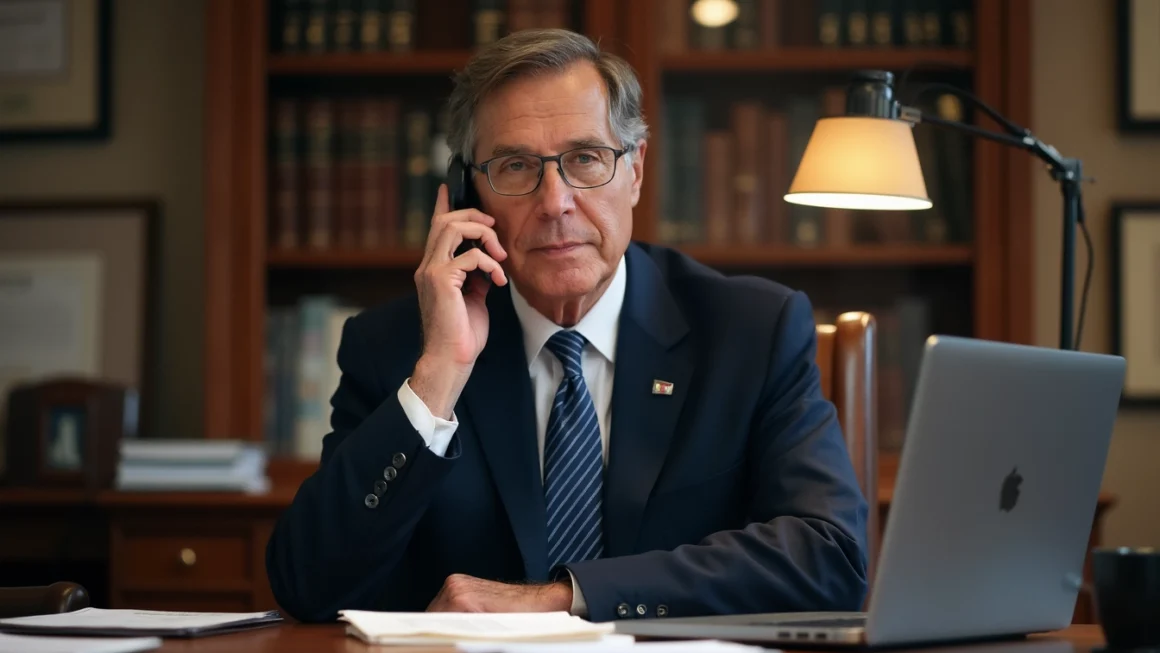
In the rapidly evolving landscape of media and politics, ownership plays a pivotal role in shaping the narratives that reach the public. One intriguing instance of this dynamic is reported in recent news concerning Jeff Bezos, owner of The Washington Post, and the newspaper’s political endorsements. This phenomenon raises critical questions about the integrity and independence of media outlets in the face of political pressures and personal biases.
Jeff Bezos and The Washington Post’s Editorial Decisions
Jeff Bezos, best known for founding Amazon, acquired The Washington Post in 2013. Since then, his ownership has sparked discussions about the potential influence he might wield over the newspaper’s editorial board. Recently, allegations have surfaced suggesting that Bezos intervened in The Washington Post’s endorsement decisions regarding political figures, such as Kamala Harris. This brings to light the challenges of maintaining editorial independence in an era where billionaires own several major media entities.
The Impact of Ownership on Editorial Independence
The primary concern with media ownership is the risk of editorial content being swayed by the owner’s personal or business interests. In theory, a media organization’s editorial board operates independently, yet the reality can be starkly different. The specter of influence looms large, especially when the owner has significant interests in industries that could be affected by governmental policies.
The Role of Media in Democracy
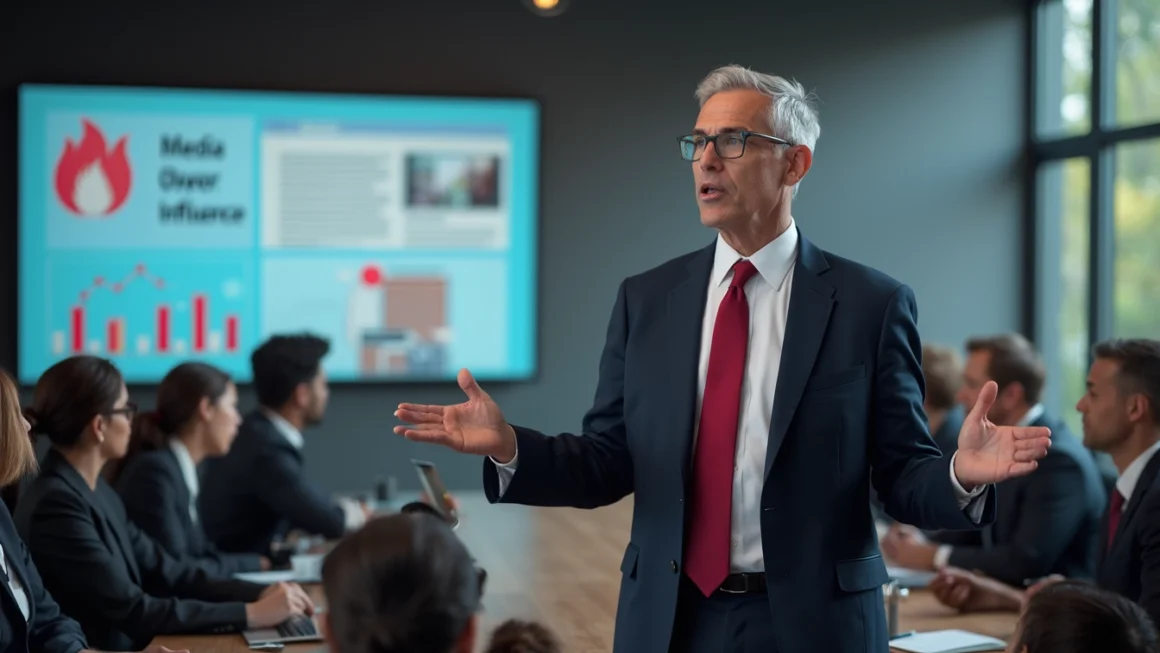
Media serves as the fourth estate in democratic societies, acting as a watchdog over other powerful entities, including the government. For democracy to function effectively, the press must remain free and independent, providing unbiased and accurate information to the public. When media ownership leads to skewed reporting, it can undermine this critical role, leading to misinformation and an uninformed electorate.
Challenges Faced by News Organizations
Modern news organizations are grappling with several challenges that exacerbate the issue of editorial independence:
- Financial Pressures: Many media outlets struggle with declining revenues, making them vulnerable to outside influences.
- Digital Transformation: The shift to digital platforms demands constant adaptation, often at the cost of traditional journalistic values.
- Concentration of Ownership: The media landscape is increasingly dominated by a handful of powerful individuals, raising concerns about editorial diversity and independence.
Strategies for Maintaining Independence
To counteract potential biases from ownership, media outlets can implement several strategies. These include establishing clear policies that separate business interests from editorial decisions, creating oversight committees to monitor editorial practices, and fostering a culture of transparency and accountability within the organization.
Additionally, promoting diversity in media ownership and supporting legislation that limits excessive consolidation could help maintain a balanced media environment. When different voices and perspectives are represented, it contributes to more comprehensive and accurate reporting.
Conclusion: Importance of Vigilant Media Consumption
In conclusion, the potential for media owners to influence editorial decisions remains a significant concern for journalism’s role as a democratic pillar. For the public, this emphasizes the importance of vigilant media consumption and critical evaluation of news sources. Readers are encouraged to seek diverse perspectives and support independent journalism that strives to report truthfully and without undue influence.
Moreover, exploring technological solutions like automation could help streamline operations in media firms, enabling them to focus more on content integrity. Discover ways to automate your workflow here.
Ultimately, ensuring media independence requires a collective commitment from owners, journalists, and the public to uphold the principles of free and fair reporting.