In a shocking turn of events, Iran has executed Jamshid Sharmahd, a German-Iranian dual national, despite international outcry and pleas for clemency. This act has sparked widespread condemnation and raised serious concerns about human rights in the Islamic Republic.
The Execution and Its Aftermath
Table of Contents
Sharmahd, 68, was sentenced to death last year on charges of “corruption on earth,” a vague accusation often used in politically motivated cases. The Iranian judiciary announced his execution, which was carried out by hanging, a common method in Iran’s capital punishment system.
The German government, along with human rights organizations, has vehemently denounced this action. German Chancellor Olaf Scholz described the execution as “unacceptable,” emphasizing that Iran will face consequences for this grave violation of human rights.
International Reactions and Diplomatic Tensions
The execution has significantly strained diplomatic relations between Iran and Western nations, particularly Germany. The German Foreign Ministry has summoned the Iranian ambassador, expressing its strongest condemnation and warning of further diplomatic measures.
Human rights groups, including Amnesty International, have called the execution a “travesty of justice,” highlighting the lack of due process in Sharmahd’s trial and the broader issue of human rights abuses in Iran.
The Impact on Iranian-German Relations
This incident is likely to have far-reaching consequences for Iranian-German relations. Germany, being one of Iran’s largest trading partners in Europe, may reconsider its economic ties with the country. The execution could lead to:
- Increased economic sanctions
- Reduced diplomatic engagement
- Stronger support for Iranian opposition groups
The Case of Jamshid Sharmahd
Sharmahd’s case has been controversial from the start. He was allegedly abducted by Iranian intelligence services while in Dubai in 2020. The Iranian government accused him of involvement in a 2008 mosque bombing in Shiraz, which he and his family vehemently denied.
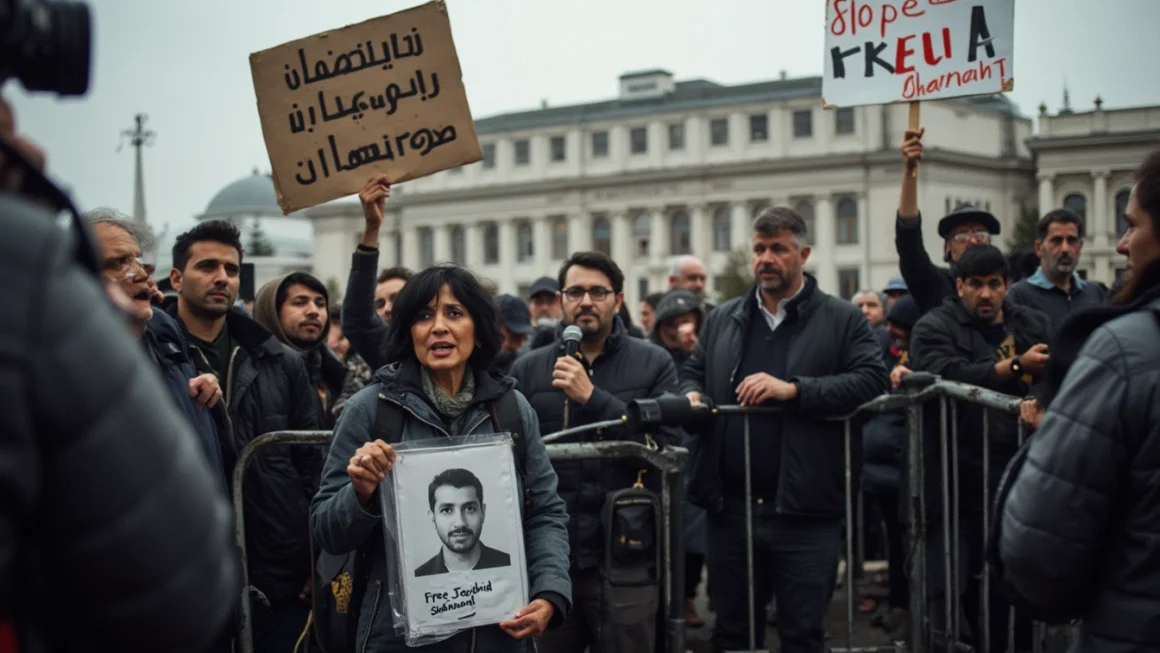
His daughter, Gazelle Sharmahd, has been a vocal advocate for her father’s release, stating that the charges against him were fabricated and that he was denied a fair trial.
Concerns Over Due Process
The trial of Sharmahd raised significant concerns about due process in Iran’s judicial system. Key issues included:
- Lack of access to legal representation
- Allegations of forced confessions
- Limited communication with family members
- Opaque court proceedings
The Broader Context of Human Rights in Iran
Sharmahd’s execution is part of a broader pattern of human rights violations in Iran. The country has faced ongoing criticism for its treatment of political dissidents, religious minorities, and dual nationals.
In recent years, there has been an increase in executions and arbitrary detentions, particularly following the widespread protests against the government. This trend has led to increased international isolation and economic pressure on Iran.
The Role of Dual Nationals in Iran’s Foreign Policy
The targeting of dual nationals has been a recurring issue in Iran’s relations with Western countries. Critics argue that Iran uses these individuals as bargaining chips in international negotiations, particularly regarding sanctions and nuclear agreements.
Looking Forward: Implications and Potential Outcomes
The execution of Jamshid Sharmahd is likely to have significant repercussions for Iran’s international standing. It may lead to:
- Increased diplomatic isolation
- Tougher economic sanctions
- Greater scrutiny of Iran’s human rights record
- Renewed calls for reform within Iran
As tensions escalate, there’s a growing need for diplomatic channels to address these human rights concerns. Innovative approaches to international diplomacy may be necessary to navigate these complex geopolitical challenges.
Conclusion
The execution of Jamshid Sharmahd marks a dark chapter in Iran’s human rights record and international relations. It underscores the urgent need for global attention to human rights issues in Iran and the plight of dual nationals caught in geopolitical tensions.
As the international community grapples with this tragedy, it’s crucial to maintain pressure on Iran to adhere to international human rights standards while also seeking constructive engagement to prevent further escalations. The path forward will require a delicate balance of diplomacy, pressure, and advocacy for human rights.