Introduction
Table of Contents
The Arctic Circle has garnered significant attention due to its geopolitical and environmental importance. As global temperatures rise, the impact on the Arctic region becomes increasingly evident. With melting ice caps and shifting policy dynamics, the Arctic faces challenges that warrant international discourse and cooperation. But why is the Arctic so crucial, and what efforts are underway to address its pressing issues?
The Geopolitical Significance of the Arctic
Strategic Location and Resources
The Arctic is strategically significant due to its location and abundance of natural resources. It is home to vast oil and gas reserves, which are increasingly accessible due to melting ice. This factor makes the Arctic a potential hotspot for resource extraction, attracting attention from global powers. Moreover, the Arctic serves as a crucial corridor for global shipping routes, reducing transportation time and fueling global trade.
International Territorial Claims
Several countries, including the USA, Russia, Canada, and Denmark, have asserted territorial claims in the region. These claims often overlap, leading to geopolitical tensions. The increased accessibility of the Arctic due to climate change has intensified these disputes, necessitating diplomatic resolutions and potential collaborations.
Environmental Challenges Facing the Arctic
Impact of Climate Change
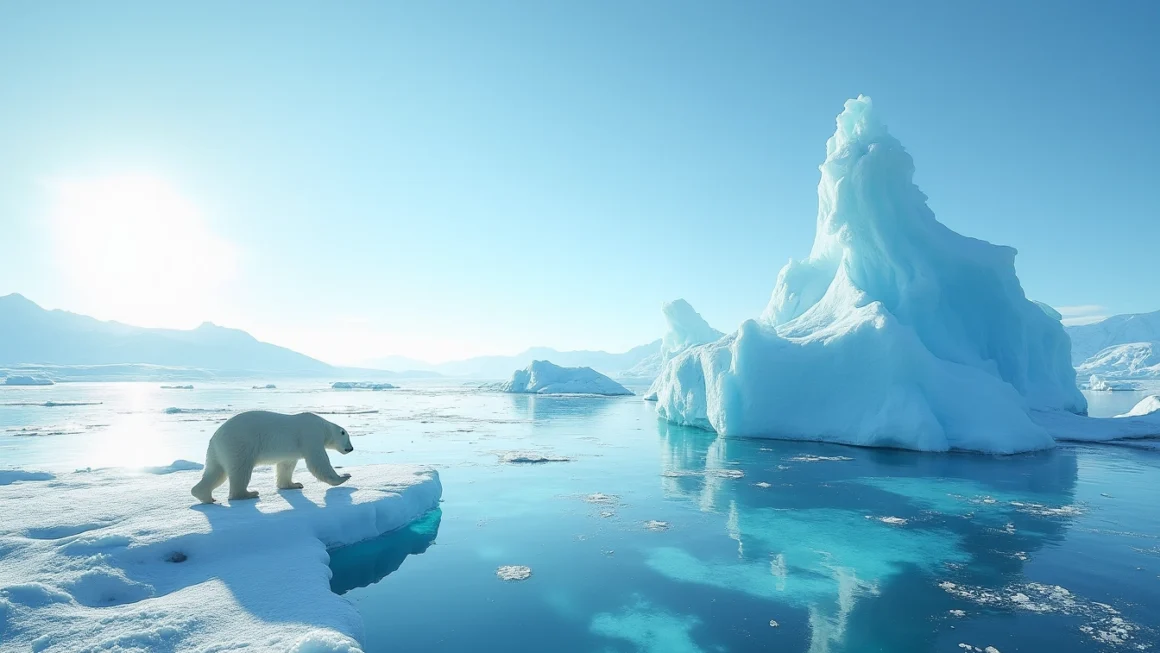
Climate change poses a direct threat to the Arctic’s fragile ecosystem. The region is warming at twice the global average rate, accelerating ice melt and threatening species dependent on icy habitats. The decline of sea ice has profound implications not just for biodiversity but also for indigenous communities whose livelihoods are intertwined with the Arctic’s natural rhythms.
Biodiversity and Ecosystem Stability
The Arctic’s unique biodiversity is at risk as habitats transform or disappear. Species such as polar bears, seals, and Arctic foxes face survival challenges as their environment changes rapidly. Conservation efforts are critical in maintaining ecosystem stability and ensuring that these species are protected amidst shifting environmental conditions.
International Collaboration and Policy Initiatives
The Role of Governance
Effective governance is vital for managing the Arctic’s resources sustainably and addressing environmental concerns. The Arctic Council, comprising various Arctic states, plays a central role in fostering cooperation and implementing policies aimed at protecting the region. However, as non-Arctic states express interest, governance strategies must evolve to accommodate broader participation.
Collaborative Environmental Initiatives
Environmental initiatives at an international scale are crucial for the Arctic’s preservation. Collaborative projects focus on reducing black carbon emissions, a significant contributor to ice melt, and enhancing research to understand the impacts of climate change better. These initiatives demonstrate the collective effort required to safeguard the Arctic for future generations.
Promoting Sustainable Development in the Arctic
Innovative Technologies and Solutions
Innovation plays a key role in promoting sustainable development in the Arctic. Technologies that enable efficient energy use and reduce environmental footprints are essential. For instance, automation tools can streamline operations, reducing the need for energy-intensive processes. Interested in exploring more about automation? Visit this resourceful site to learn how automation can be a game-changer.
Empowerment of Indigenous Communities
Empowering indigenous communities is crucial as they are the most affected by changes in the Arctic. Ensuring they have a voice in policy-making and benefit from resource development is vital. Strategies that incorporate indigenous knowledge and practices enhance resilience and sustainability in the region.
Conclusion: The Path Forward
Addressing the challenges afflicting the Arctic requires unified global effort and commitment. The region’s significance touches on environmental, geopolitical, and socio-economic aspects that are crucial for global stability. By fostering international cooperation, embracing innovative solutions, and prioritizing sustainable practices, the global community can ensure that the Arctic remains a thriving and integral part of our planet’s ecosystem. Engaging in these initiatives is not just a regional imperative but a global responsibility.