
The world of soccer is ever-evolving, with players constantly moving in and out of the limelight. For the United States Men’s National Team (USMNT), this evolution is filled with both challenges and opportunities. As some star players face injuries or changes in their club situations, the door opens for emerging talents to make their mark. But what does this mean for fans and the future of the USMNT?
USMNT’s Current Scenario
Table of Contents
The USMNT is currently navigating a complex landscape as key figures like Christian Pulisic and Ricardo Pepi are sidelined. Pulisic, often hailed as America’s most promising soccer talent, finds himself grappling with injuries that have kept him from consistent play. Meanwhile, Pepi’s transition to club play in Europe has not been as smooth as anticipated, leaving gaps in the national team’s attacking options.
The Emergence of New Talent
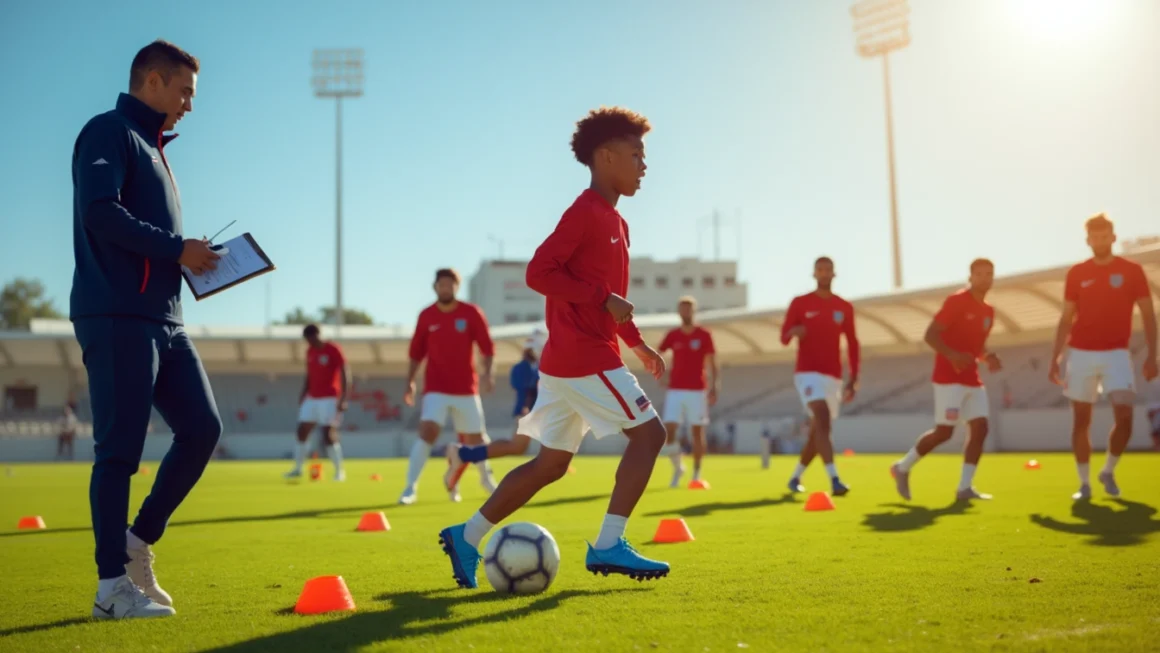
With established players out of the picture, this transitional phase could be the perfect opportunity for emerging talents to step into the spotlight. Young players who have shown promise at the club level now have the chance to become integral parts of the national team setup. This shift not only gives them vital experience but also allows the team to explore versatile strategies in upcoming matches.
Why New Faces Matter
- Innovation: Fresh players introduce different styles and strengths, bringing innovation to the team.
- Depth: Having a variety of talent increases the team’s depth, reducing reliance on a few key individuals.
- Future Prospects: Today’s emerging players could form the core of the future USMNT, potentially leading the team to greater successes.
Challenges Ahead
Despite the potential benefits, the transition period isn’t without challenges. Integrating new players into the team dynamics can be a complex process, requiring adjustments in coaching and strategy. The pressure on young players to perform can also be immense, sometimes leading to inconsistent performances. Thus, the team management must ensure a supportive environment to help these players thrive.
The Role of Internal Competition
Having a plethora of options at their disposal, the USMNT’s coaching staff can foster a healthy competitive environment. This internal competition pushes players to hone their skills, knowing that their place in the squad isn’t guaranteed. As a result, the overall quality and intensity of the team are likely to improve, benefiting the USMNT in the long run.
Long-term Implications for USMNT
In the long term, this transitional phase could yield significant positives for the USMNT. Developing a strong pipeline of talent ensures stability and sustained success. With proper nurturing and strategic development, the team is poised to challenge more established soccer nations in future international tournaments.
Conclusion
As the USMNT navigates its current challenges, the emergence of a new generation of players offers a beacon of hope. The opportunity for growth and development is significant, but it requires careful management and strategic planning. By capitalizing on this period of change, the USMNT can build a robust foundation for future triumphs in the soccer world.
Curious about more aspects of soccer or looking to explore a wide range of interests? Check out this portfolio website for various insights and professional expertise.