
Understanding the Current Trends in Global Climate Change
Table of Contents
Climate change is undoubtedly one of the most pressing issues facing humanity today. As we continue to observe significant shifts in weather patterns worldwide, it’s crucial to understand what these changes entail and their potential impact on both our environment and livelihoods.
What is Driving Climate Change?
The primary driver of climate change is the increase in greenhouse gases in the atmosphere. These gases, including carbon dioxide, methane, and nitrous oxide, trap heat from the sun and lead to a warming effect known as the greenhouse effect.
- Carbon Emissions: The burning of fossil fuels for energy and transportation significantly contributes to carbon emissions.
- Deforestation: Trees absorb carbon dioxide; therefore, large-scale deforestation exacerbates the accumulation of greenhouse gases.
- Industrial Processes: Various industrial processes emit a range of greenhouse gases contributing to the warming effect.
Measuring the Impact of Rising Temperatures
The impact of climate change is vast, affecting everything from natural ecosystems to human health and economies. Here are some key areas impacted by rising temperatures:
Environmental Consequences
Rising temperatures lead to the melting of polar ice caps and glaciers, resulting in rising sea levels. This poses a significant threat to coastal communities. Additionally, changing temperature and precipitation patterns affect biodiversity and ecosystems, leading to shifts in species distribution and habitat loss.
Impact on Human Health
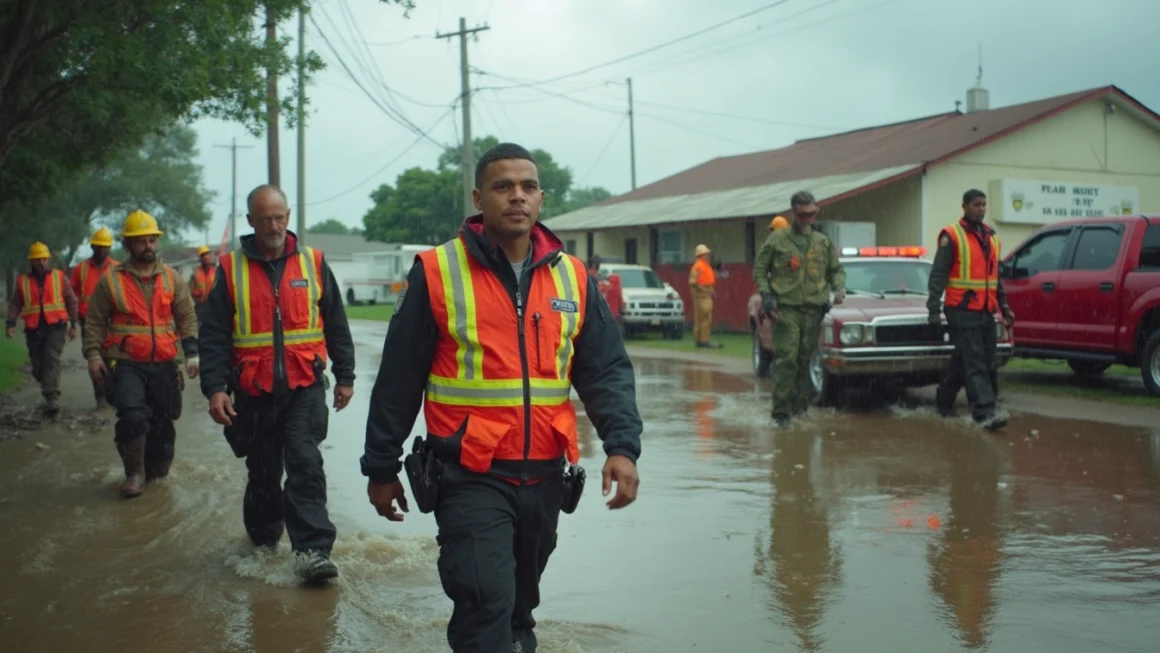
Increased temperatures and shifting weather patterns contribute to extreme weather events such as hurricanes, droughts, and floods. These not only cause immediate harm to human populations but also lead to long-term health issues such as respiratory diseases and heat-related illnesses.
Global Initiatives to Combat Climate Change
Addressing climate change requires a concerted global effort. International agreements like the Paris Agreement aim to limit global warming to well below 2 degrees Celsius. Countries are adopting different strategies to mitigate and adapt to climate change, such as:
- Investing in renewable energy sources like solar and wind.
- Promoting energy efficiency in industries and households.
- Enhancing forest conservation efforts to act as carbon sinks.
- Implementing policies to reduce waste and encourage recycling.
Simultaneously, technology and innovation in automation are playing a crucial role in optimizing resources and reducing carbon footprints. Websites like this automation platform provide tools to streamline processes, thereby enhancing efficiency and sustainability.
Taking Action at an Individual Level
While global initiatives are essential, individual actions collectively make a substantial difference in combating climate change. Here are some steps individuals can take:
- Reduce energy consumption by turning off lights and unplugging devices.
- Use public transportation, cycle, or walk to reduce carbon emissions.
- Support and use products from companies with sustainable practices.
- Engage in community initiatives focused on environmental conservation.
Conclusion
Understanding and addressing climate change is imperative to ensure a sustainable future for generations to come. By staying informed and taking proactive measures both individually and collectively, we can mitigate the effects and adapt to the ongoing changes. Every effort counts in the global mission to curb climate change and preserve our planet’s health.