In a groundbreaking move, New South Wales (NSW) is set to implement a new free Respiratory Syncytial Virus (RSV) prevention program starting in 2025. This initiative aims to protect infants and young children from the potentially severe effects of RSV, a common respiratory virus that can lead to serious complications, especially in vulnerable populations.
Understanding RSV and Its Impact
Table of Contents
RSV is a highly contagious virus that primarily affects the respiratory system. While it often causes mild, cold-like symptoms in adults and older children, it can be particularly dangerous for infants, young children, and the elderly. In severe cases, RSV can lead to bronchiolitis or pneumonia, necessitating hospitalization and intensive care.
The impact of RSV on the healthcare system is significant. Each year, thousands of children are hospitalized due to RSV-related complications, placing a substantial burden on hospitals and families alike. The new prevention program is expected to dramatically reduce these numbers, improving public health outcomes and alleviating pressure on the healthcare system.
Details of the New Prevention Program
The NSW government’s initiative will make a new RSV antibody, nirsevimab, available free of charge to eligible infants and young children. This innovative approach represents a significant step forward in the fight against RSV. Here are key aspects of the program:
- Target Population: The program will focus on infants and children up to 24 months old, who are at the highest risk of severe RSV infection.
- Antibody Administration: Nirsevimab will be administered as a single dose, providing protection throughout the RSV season.
- Accessibility: The antibody will be available through various healthcare providers, ensuring wide accessibility across NSW.
- Cost-Free: The program will be entirely free for eligible recipients, removing financial barriers to protection.
Expected Benefits of the Program
The implementation of this RSV prevention program is anticipated to yield numerous benefits:
1. Reduced Hospitalizations
By providing effective protection against RSV, the program is expected to significantly decrease the number of infants and young children requiring hospitalization due to severe RSV infections.
2. Improved Public Health
Lowering the incidence of severe RSV cases will contribute to better overall public health, reducing the spread of the virus in communities.
3. Economic Benefits
Fewer hospitalizations and less severe cases will lead to reduced healthcare costs and fewer work days lost for parents caring for sick children.
4. Enhanced Quality of Life
Preventing severe RSV infections will improve the quality of life for many families, sparing them the stress and hardship associated with caring for a seriously ill child.
Preparing for Implementation
As the program’s launch in 2025 approaches, the NSW government is taking steps to ensure smooth implementation:
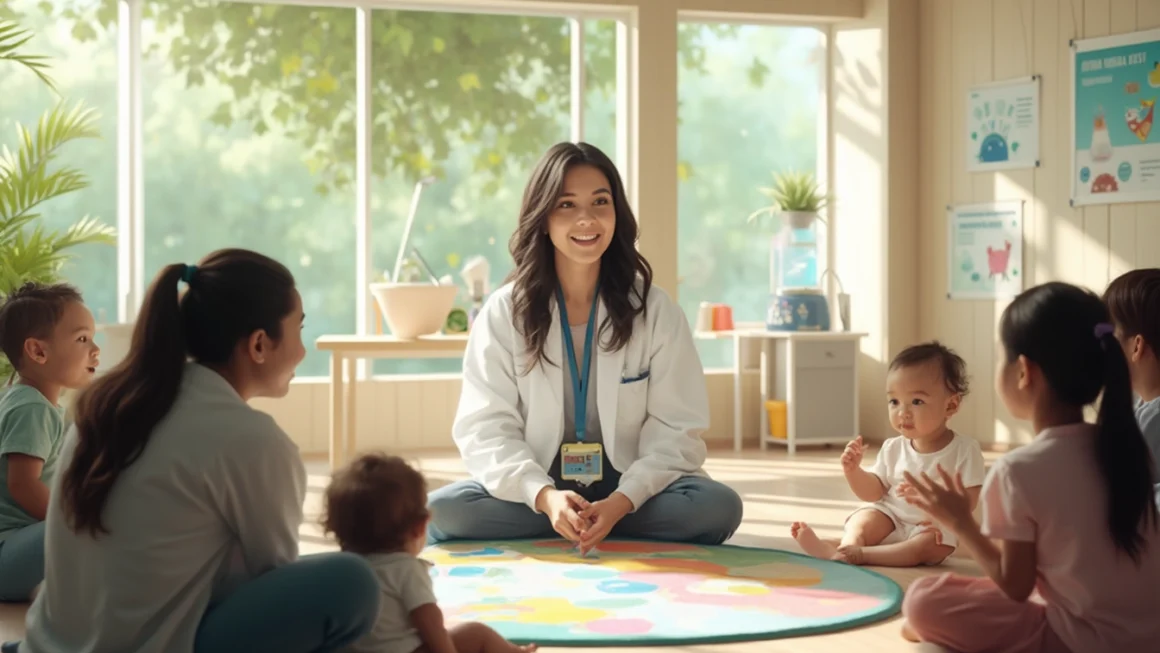
- Healthcare Provider Training: Medical professionals will receive comprehensive training on administering nirsevimab and educating parents about RSV prevention.
- Public Awareness Campaigns: Efforts will be made to inform the public about RSV risks and the benefits of the new prevention program.
- Infrastructure Development: The necessary infrastructure for storing and distributing the antibody will be established across the state.
This initiative aligns with global efforts to combat RSV. As healthcare systems worldwide seek innovative solutions to manage and prevent respiratory illnesses, automation in healthcare processes is becoming increasingly important. Such technological advancements can significantly enhance the efficiency and effectiveness of prevention programs like this one.
Conclusion
The NSW government’s decision to introduce a free RSV prevention program marks a significant milestone in public health policy. By making this potentially life-saving intervention accessible to all eligible infants and young children, NSW is taking a proactive stance in protecting its most vulnerable population from a serious respiratory threat.
As we approach 2025, the anticipation for this program grows. Its success could pave the way for similar initiatives across Australia and potentially influence global health strategies. The program not only represents a commitment to public health but also demonstrates the power of innovative medical solutions in addressing long-standing health challenges.
Parents, healthcare providers, and public health officials alike are looking forward to the positive impact this program is expected to have on the health and well-being of NSW’s youngest residents. As we move closer to the implementation date, continued research, preparation, and public education will be crucial in ensuring the program’s success and maximizing its benefits for the community.