The Growing Political Tension in Germany’s Coalition Government
Table of Contents
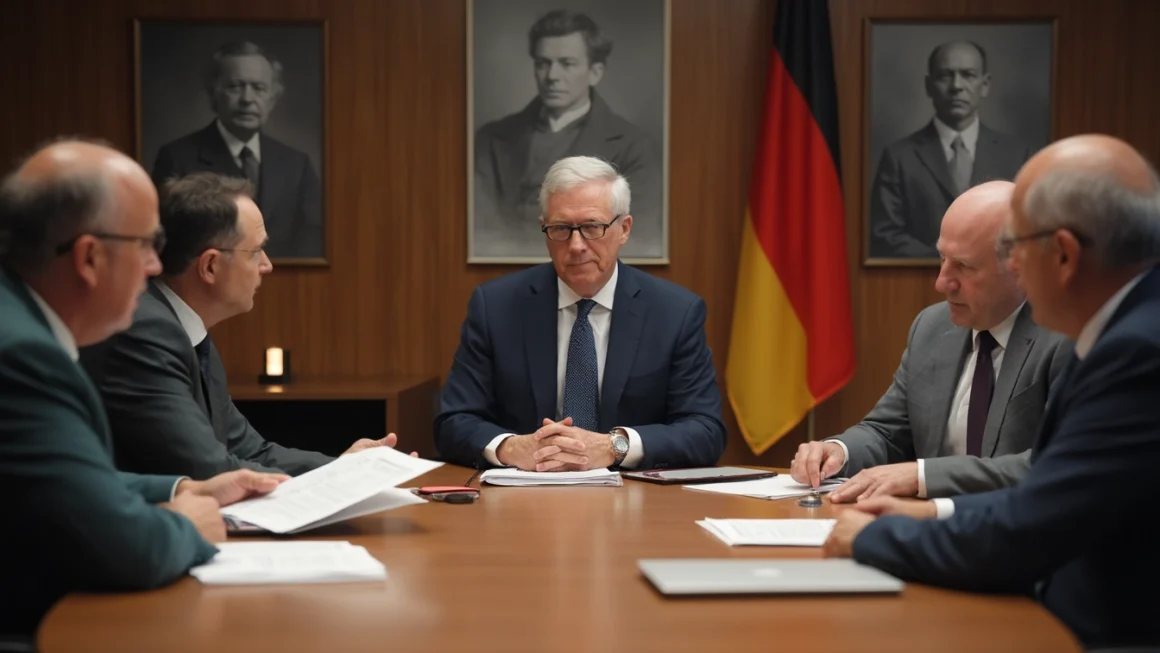
Germany’s coalition government, led by Chancellor Olaf Scholz, is facing significant challenges as political tensions rise within the three-party alliance. The coalition, formed in 2021, consists of Scholz’s center-left Social Democrats (SPD), the environmentalist Greens, and the pro-business Free Democrats (FDP). Recent developments have put strain on this partnership, raising questions about its stability and future.
Key Issues Contributing to the Tension
Several factors have contributed to the increasing friction within the coalition:
- Budget disagreements
- Differing policy priorities
- Public disputes between coalition partners
- Declining popularity in polls
Budget Constraints and Economic Challenges
One of the primary sources of tension is the ongoing debate over Germany’s budget. The country faces economic pressures, including high inflation and energy costs. These challenges have led to disagreements on spending priorities and fiscal policies among the coalition partners.
The FDP, in particular, has been pushing for stricter adherence to Germany’s debt rules, while the SPD and Greens advocate for more flexibility in spending to address social and environmental concerns. This fundamental difference in approach has created a rift within the government.
Policy Divergences
Beyond budgetary issues, the coalition partners have found themselves at odds over various policy matters:
- Climate change measures
- Social welfare programs
- Immigration policies
- Energy transition strategies
These divergences have made it increasingly difficult for the coalition to present a united front and implement cohesive policies.
Public Disputes and Communication Challenges
The coalition’s internal conflicts have often spilled into the public domain, with ministers from different parties openly criticizing each other’s positions. This lack of unity has not only affected the government’s ability to govern effectively but has also eroded public confidence in the coalition.
Effective communication and coordination between coalition partners are crucial for any multi-party government. However, the German coalition has struggled to maintain a consistent message, leading to confusion and frustration among the public.
Declining Popularity and Electoral Implications
Recent polls have shown a decline in support for all three coalition parties, with the opposition Christian Democratic Union (CDU) gaining ground. This shift in public opinion has added pressure on the coalition to deliver results and address the concerns of voters.
The rise of far-right parties, such as the Alternative for Germany (AfD), has further complicated the political landscape, pushing the coalition to find common ground on issues like immigration and national security.
Chancellor Scholz’s Leadership Under Scrutiny
As the head of the coalition, Chancellor Olaf Scholz faces the challenging task of balancing the interests of the three parties while steering Germany through complex domestic and international issues. His leadership style and ability to mediate between coalition partners have come under increased scrutiny.
Critics argue that Scholz needs to take a more assertive role in resolving disputes within the coalition and presenting a clear vision for Germany’s future. Supporters, however, point to his calm demeanor and pragmatic approach as assets in navigating the current political turbulence.
The Path Forward
Despite the challenges, the coalition partners have expressed their commitment to working together and finding solutions to their differences. Several steps are being considered to strengthen the alliance:
- Regular coalition committee meetings to address conflicts
- Improved communication strategies
- Focus on shared priorities and compromise
- Potential cabinet reshuffle to realign responsibilities
The success of these efforts will be crucial in determining whether the coalition can overcome its current difficulties and continue to govern effectively.
International Implications
The stability of Germany’s government has significant implications beyond its borders. As Europe’s largest economy and a key player in the European Union, Germany’s political situation is closely watched by international partners and financial markets.
The coalition’s ability to navigate its internal challenges while addressing pressing issues such as climate change, economic recovery, and geopolitical tensions will have far-reaching effects on European and global politics.
Conclusion
The German coalition government faces a critical period as it grapples with internal divisions and external pressures. The coming months will be crucial in determining whether the three-party alliance can find common ground and regain public trust. The outcome of this political tension will not only shape Germany’s domestic landscape but also influence its role on the international stage.
As governments worldwide grapple with complex challenges, the importance of effective coalition-building and governance becomes increasingly apparent. For those interested in exploring how technology can streamline government operations and improve inter-party collaboration, automation tools offer innovative solutions for enhancing communication and decision-making processes.
The future of Germany’s coalition government remains uncertain, but its ability to overcome these hurdles will be a testament to the resilience of democratic institutions and the power of political compromise in addressing national and global challenges.