
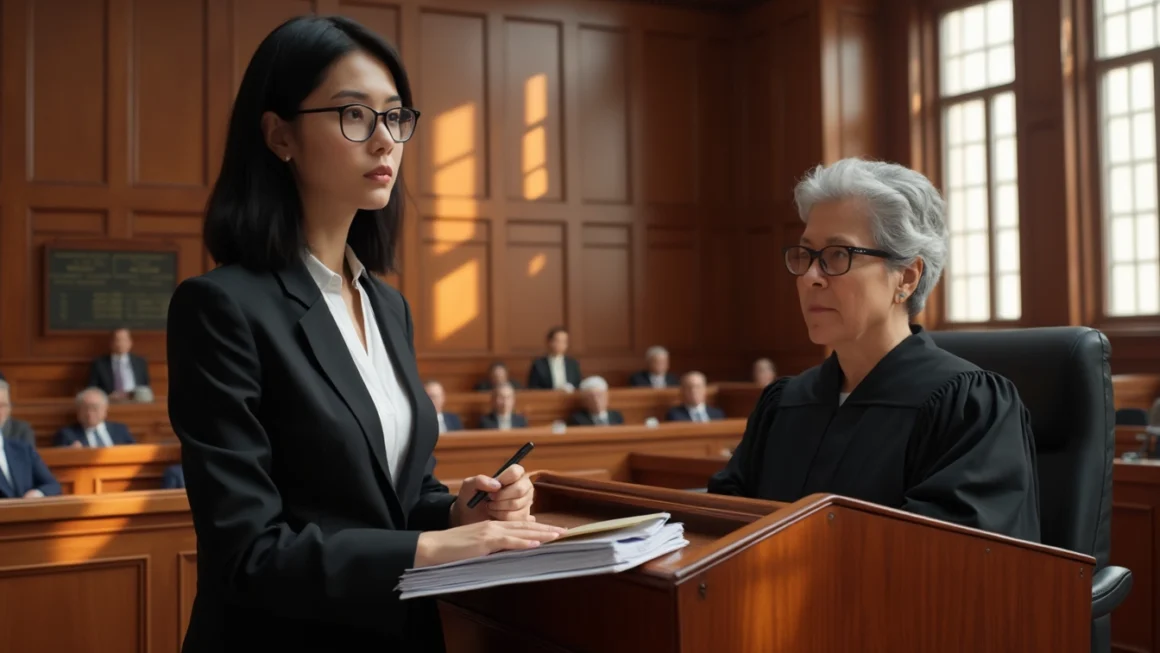
In a significant legal development, a federal judge has ruled that a woman accusing Sean “Diddy” Combs of sexual assault can proceed with her lawsuit anonymously. This decision marks a crucial step in the ongoing case against the music mogul, allowing the plaintiff to protect her identity while pursuing justice.
The Court’s Decision
Table of Contents
U.S. District Judge Jessica G.L. Clarke made the ruling, acknowledging the sensitive nature of the allegations and the potential for public scrutiny. The judge’s decision balances the plaintiff’s right to privacy with the public’s interest in open judicial proceedings. This ruling is particularly noteworthy in high-profile cases involving public figures.
The Allegations Against Combs
The lawsuit, filed in November, alleges that Combs, along with two other men, sexually assaulted the plaintiff in 2003 when she was a 17-year-old high school student. These serious accusations have sent shockwaves through the entertainment industry and sparked discussions about accountability and power dynamics in the music world.
Impact on the Music Industry
This case is part of a broader conversation about misconduct in the entertainment sector. It highlights the importance of creating safe environments for young artists and the need for robust systems to address and prevent abuse. The music industry, like many others, is facing increased scrutiny regarding its handling of such allegations.
Legal Implications of Anonymous Lawsuits
The decision to allow anonymous filing is significant in sexual assault cases. It provides a layer of protection for accusers who might otherwise be hesitant to come forward due to fear of retaliation or public backlash. This ruling could set a precedent for similar cases in the future, potentially encouraging more survivors to seek legal recourse.
Balancing Privacy and Transparency
While anonymity protects the accuser, it also raises questions about transparency in legal proceedings. Courts must carefully balance the need to shield victims from potential harm with the principle of open justice. This case exemplifies the complex considerations involved in such decisions.
Combs’ Response and Legal Strategy
Sean Combs has vehemently denied the allegations, describing them as fabricated and an attempt at a money grab. His legal team is expected to mount a vigorous defense, challenging both the substance of the accusations and potentially the decision to allow anonymous filing.
Public Relations Challenges
For Combs, a public figure with a significant media presence, these allegations pose not just legal but also substantial reputational challenges. The case underscores the delicate balance public figures must maintain between their public personas and private actions.
Broader Implications for the #MeToo Movement
This case resonates with the ongoing #MeToo movement, which has brought numerous allegations of sexual misconduct in various industries to light. It demonstrates the movement’s continued impact on how society and the legal system approach such accusations, especially those involving powerful individuals.
Evolution of Legal Approaches
The court’s decision reflects an evolving understanding of the challenges faced by accusers in high-profile cases. It shows a growing recognition of the need to protect victims while ensuring fair legal processes. Automation in legal processes could potentially play a role in streamlining these complex cases in the future.
What’s Next in the Legal Process
With the anonymity issue resolved, the case is expected to proceed to the next stages of the legal process. This will likely involve further pre-trial motions, discovery processes, and potentially, settlement discussions or a trial. The timeline for these proceedings can vary significantly depending on various factors.
Potential Outcomes and Their Implications
The outcome of this case could have far-reaching implications, not just for the parties involved but for how similar cases are handled in the future. It may influence legal strategies, public perceptions, and industry practices regarding sexual assault allegations.
Conclusion
The judge’s decision to allow anonymous filing in the lawsuit against Sean “Diddy” Combs represents a significant moment in the ongoing dialogue about sexual assault allegations, especially those involving high-profile individuals. As the case progresses, it will undoubtedly continue to draw attention, potentially shaping legal precedents and public discourse on these critical issues. The entertainment industry, legal community, and society at large will be watching closely as this case unfolds, potentially setting new standards for how such sensitive matters are handled in the public eye and the courts.