Understanding the Impact and Response to Military Incidents
Table of Contents
When incidents occur within the military landscape, they resonate not only through the ranks but also among the public. Understanding how these events are managed, specifically concerning the welfare of the personnel involved, sheds light on the broader processes of military support and healthcare.
The Incident and Immediate Response
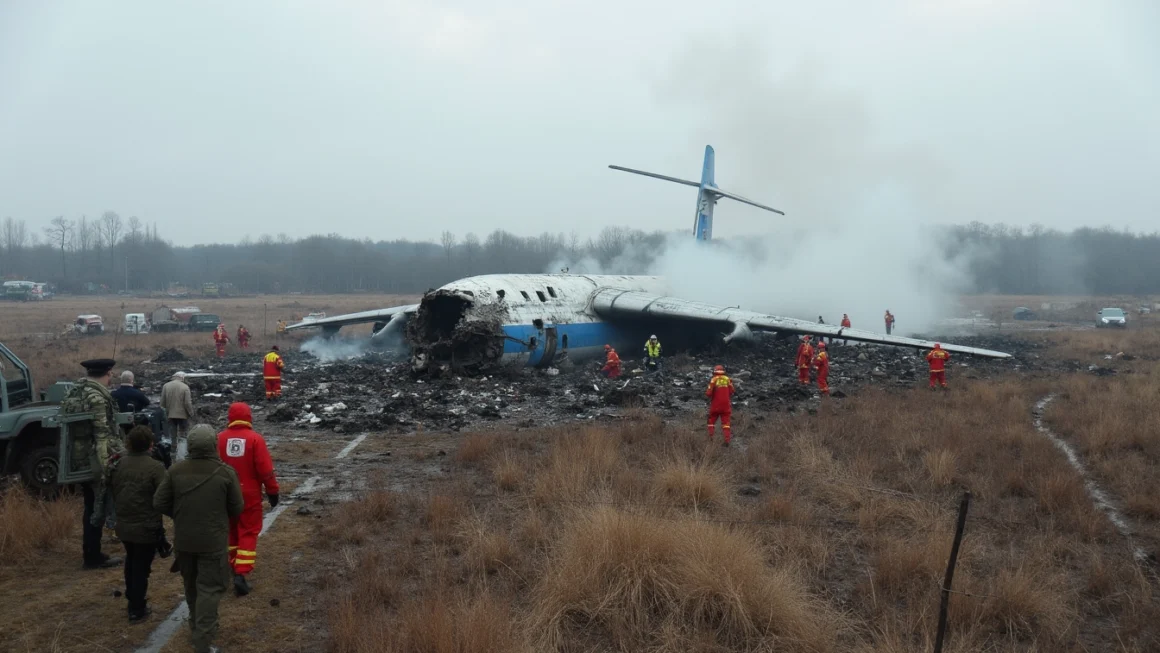
Recent reports have highlighted a significant raid where soldiers unfortunately sustained injuries. The immediacy of response is critical in such scenarios. Medical teams are often on standby, ready to administer first aid or specialized trauma care. Military operations are backed by efficient medical protocols aimed at minimizing casualties and treating injuries.
Evacuation and Medical Assistance
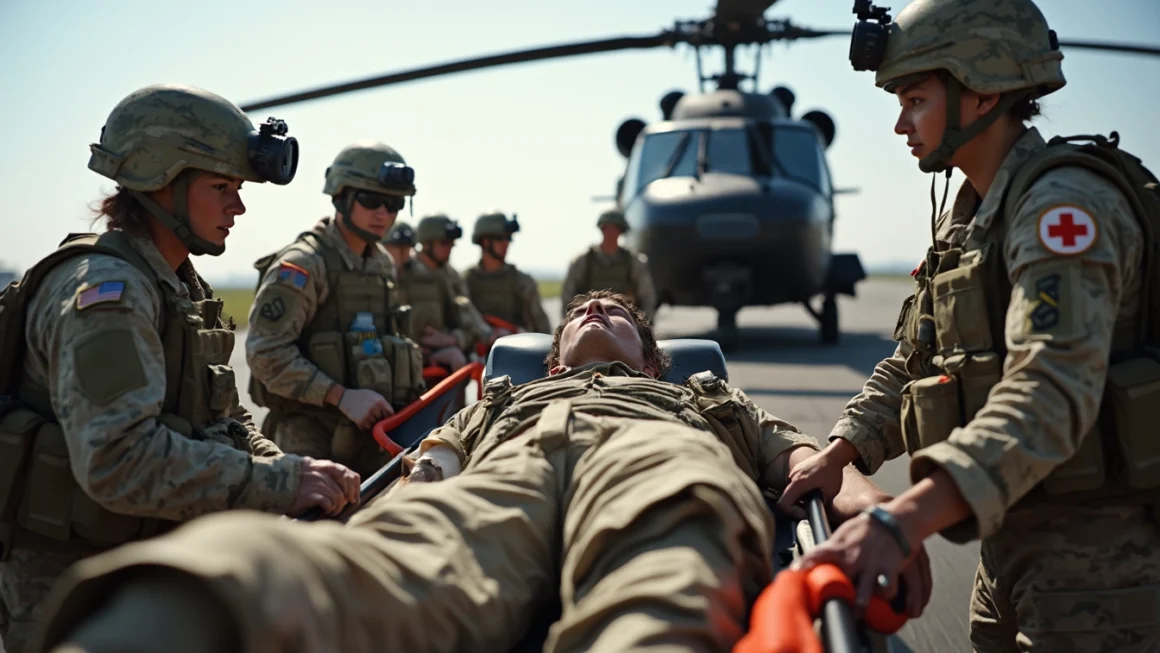
In the aftermath of the incident, the injured were promptly airlifted to Walter Reed National Military Medical Center. This facility is renowned for its state-of-the-art medical treatments and rehabilitation services. The decision to transport the injured to such a facility underscores the military’s commitment to offering the best care available.
Walter Reed: A Pillar of Military Medicine
The Walter Reed National Military Medical Center is synonymous with excellence in military medicine. Equipped to handle a variety of medical conditions, it supports recovery efforts through advanced technology and expert medical professionals. The center not only serves military personnel but also contributes to medical research and innovation.
The Role of Military Support Systems
A robust support system is paramount in addressing the needs of soldiers who have experienced traumatic events. Support systems include mental health services, rehabilitation programs, and family support initiatives. This holistic approach ensures comprehensive care for the affected individuals.
Mental Health and Rehabilitation
Mental health services are a cornerstone of military support. Post-traumatic stress disorder (PTSD) and other psychological impacts are addressed through counseling and therapy sessions. Rehabilitation programs focus on both physical and emotional recovery, helping soldiers regain functionality and confidence.
Community and Family Engagement
The military community plays a vital role in recovery efforts. Family engagement programs offer guidance and support, ensuring families receive the information and resources needed to assist their loved ones. The integration of families into the recovery process fosters a supportive environment that’s essential for healing.
Outreach and Resources
To further enhance support, outreach programs provide accessible information and resources. These initiatives help bridge the gap between military services and the families they serve, ensuring a coordinated effort in addressing the needs arising from such incidents.
Conclusion: Strengthening Military Readiness and Response
Ensuring effective response and support for military personnel during and after incidents is crucial for maintaining operational readiness. The systems in place, from immediate medical evacuation to comprehensive support programs, highlight the dedication to the well-being of service members and their families.
In the ever-evolving landscape of military operations, staying informed and prepared is key. As technology advances, so do the methodologies in providing care and support. For those interested in streamlining operations or exploring automation in related fields, exploring automation possibilities could offer further enhancements.