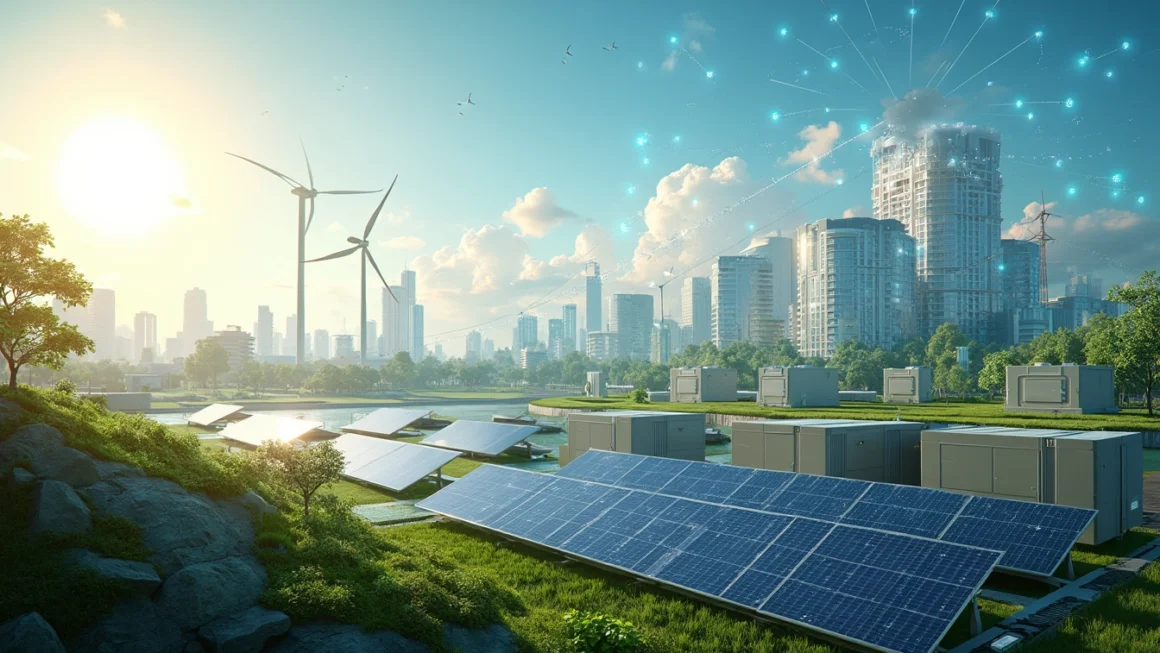
In recent years, Virtual Power Plants (VPPs) have emerged as a promising solution to the challenges faced by the energy sector. By integrating decentralized energy resources such as solar panels, wind turbines, and battery storage, VPPs offer a flexible and efficient approach to managing energy demand and supply. This transformative technology not only optimizes the use of local resources but also enhances grid stability. But how do these innovative systems align with existing regulations, particularly the Davis-Bacon Act, which mandates prevailing wage rates for laborers and mechanics on federal public works projects?
Understanding Virtual Power Plants
Table of Contents
Virtual Power Plants are networks of decentralized energy resources that operate in unison to perform functions traditionally associated with a single, centralized power plant. These systems rely on smart software to control and aggregate various energy inputs, maximizing efficiency and reliability while minimizing costs.
Key Components of VPPs
- Distributed Energy Resources (DERs): This includes renewable energy sources such as solar panels and wind turbines, as well as energy storage systems like batteries.
- Advanced Metering Infrastructure: Smart meters provide real-time data on energy usage, allowing for precise control and optimization.
- Cloud-Based Control Systems: Centralized platforms that manage and coordinate the operation of all connected resources, ensuring they work together optimally.
The Davis-Bacon Act: An Overview
The Davis-Bacon Act, enacted in 1931, requires contractors and subcontractors working on federal projects to pay their laborers and mechanics no less than the locally prevailing wages and benefits for similar work. This legislation ensures fair compensation and prevents undercutting of local labor standards.
Implications for Virtual Power Plants
As VPPs often involve federal funding and contracts, the Davis-Bacon Act becomes relevant. Projects that deploy VPP technology must adhere to these wage requirements, impacting how project budgets are planned and executed.
Integrating VPPs with Regulatory Compliance
To navigate the nuances of complying with the Davis-Bacon Act while deploying VPPs, stakeholders can consider several strategies:
- Thorough Planning: Developers should incorporate prevailing wage rates into their initial project budgets.
- Collaboration with Labor Unions: Building partnerships with local unions can facilitate smoother project execution and compliance.
- Engaging Legal Experts: Consulting with in-house or external legal advisors ensures all regulatory aspects are properly addressed.
Benefits and Challenges of VPPs
While Virtual Power Plants offer substantial benefits, including improved energy efficiency, enhanced grid stability, and reduced costs, they also present challenges, particularly concerning regulatory compliance and integration with existing infrastructure.
Advantages
- Scalability and Flexibility: VPPs can easily expand by adding more DERs, providing unmatched adaptability.
- Enhanced Grid Reliability: By balancing local supply and demand, VPPs can mitigate the risk of grid overloads and outages.
Challenges
- Regulatory Hurdles: Ensuring compliance with acts such as the Davis-Bacon Act can be complex.
- Technical Integration: Harmonizing various DERs and ensuring seamless communication requires sophisticated technology and expertise.
Future Outlook for VPPs and Labor Compliance
The future of Virtual Power Plants looks promising as technological advancements and policy frameworks continue to evolve. As stakeholders gain more experience in integrating regulatory requirements with these innovative systems, the potential for creating resilient and economically viable energy solutions grows exponentially.
Adapting to labor legislation, such as the Davis-Bacon Act, is crucial for leveraging VPPs on a wider scale. Emphasizing fair labor practices not only boosts local economies but also contributes to the broader acceptance and implementation of transformative energy solutions.
In conclusion, Virtual Power Plants represent a significant shift in how energy systems operate, offering myriad benefits aligned with sustainability and efficiency goals. By maintaining compliance with existing labor laws, stakeholders can ensure that the deployment of these systems supports both technological innovation and fair labor standards. As the landscape of energy production continues to evolve, staying informed and adaptable will be key to harnessing the full potential of VPPs.
For those interested in further exploring innovative solutions and automation possibilities, take a look at this automation platform where you can streamline various processes efficiently.