
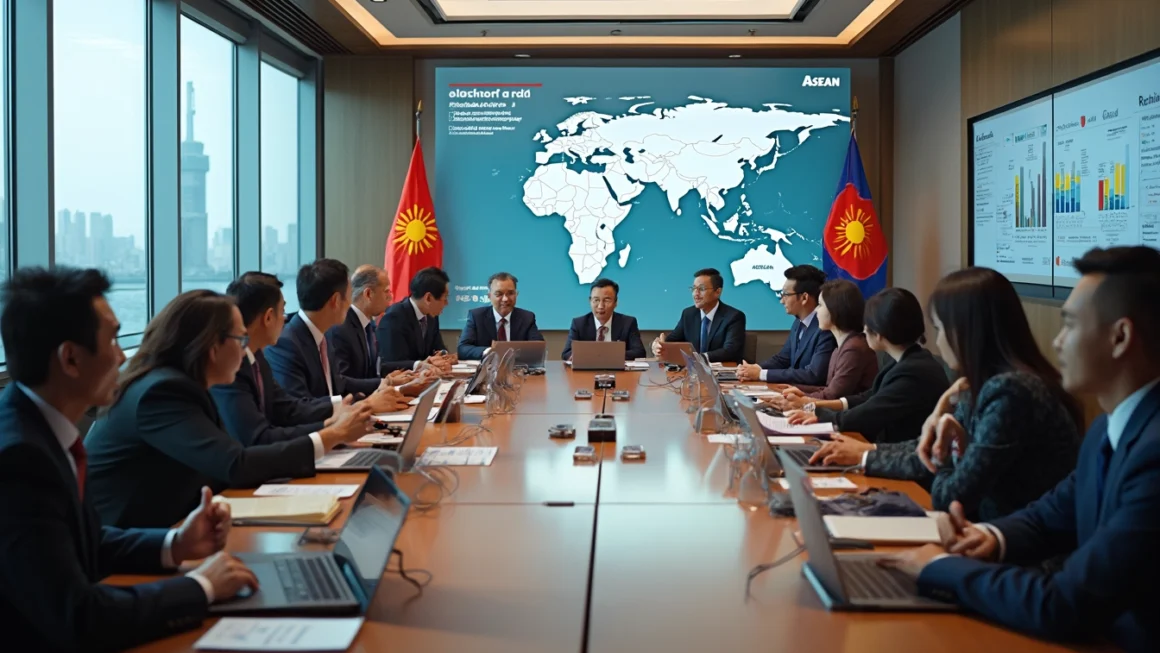
Introduction to Nuclear Energy in ASEAN’s Regional Grid
Table of Contents
Nuclear energy is gradually entering the dialogue around sustainable power solutions in the ASEAN region. With growing energy demands and the urgent need for cleaner alternatives, nuclear power presents a viable option. But how does this fit into ASEAN’s regional grid strategy?
The Growing Demand for Sustainable Energy
ASEAN countries are experiencing rapid economic growth, leading to increased energy consumption. This surge in demand necessitates reliable and sustainable energy sources. Traditional fossil fuels contribute significantly to pollution, urging a shift towards alternatives that promise minimal environmental impact.
Exploring Cleaner Alternatives
Options such as solar and wind are prominent, yet they come with limitations like dependency on weather conditions and geographical challenges. Nuclear energy, with its ability to provide a constant power supply, emerges as a crucial component in a diversified energy strategy.
Nuclear Energy’s Role in the Energy Mix
Nuclear energy is not just an alternative; it is poised to be a cornerstone of an efficient energy mix. It offers a high energy yield with relatively low carbon emissions compared to fossil fuels.
Advantages of Nuclear Energy
– **Reliability and Stability:** Unlike solar and wind, nuclear power plants can operate continuously, providing a stable energy supply.
– **Low Carbon Emissions:** Nuclear energy significantly reduces greenhouse gases, aligning with global climate objectives.
– **Energy Density:** A small amount of nuclear fuel can produce a large amount of energy, making it efficient for long-term use.
Challenges to Consider
– **Safety Concerns:** Nuclear power comes with risks such as radioactive waste and the potential for accidents, which require stringent safety measures.
– **High Initial Costs:** The development of nuclear facilities requires significant investment and time, often leading to financial and logistical challenges.
ASEAN’s Commitment to a Sustainable Future
The integration of nuclear energy into the ASEAN regional grid is part of a broader commitment to sustainable development. The region is exploring collaborative approaches to balance economic growth with environmental stewardship.
Collaborative Regional Efforts
Countries within ASEAN are exploring the sharing of resources and technology to bridge energy gaps. Joint ventures in nuclear technology promote not only energy exchange but also the transfer of safety and regulatory knowledge.
Policy and Regulatory Framework
Implementing nuclear energy requires robust policies and regulatory frameworks to ensure safety and efficiency. ASEAN nations are working together to establish these systems, facilitating the safe adoption of nuclear power.
Overcoming Barriers to Implementation
While the promise of nuclear energy is significant, there are hurdles to overcome. Public perception, safety assurances, and international cooperation are pivotal to moving forward.
Addressing Public Concerns
Engaging with communities and stakeholders through transparent communication about the benefits and risks of nuclear power is essential. Educating the public can mitigate opposition and increase acceptance.
International Support and Cooperation
Support from more experienced nations and international organizations can provide the necessary expertise and financing models. Collaboration can accelerate the learning curve and facilitate smoother implementation.
Conclusion and Future Outlook
As ASEAN looks to the future, nuclear energy could play a pivotal role in ensuring a stable and sustainable energy supply. By addressing safety concerns and fostering regional cooperation, nuclear power can be integrated thoughtfully into the energy landscape.
As ASEAN nations explore various energy possibilities, the need for smart solutions is clear. Integrating nuclear power into the regional grid is about finding a balance between economic growth and environmental responsibility. While challenges remain, the potential benefits of a sustainable and reliable energy source are undeniable. For those interested in automation solutions to support various industries, explore the possibilities with make.com for enhancing operational efficiencies.