
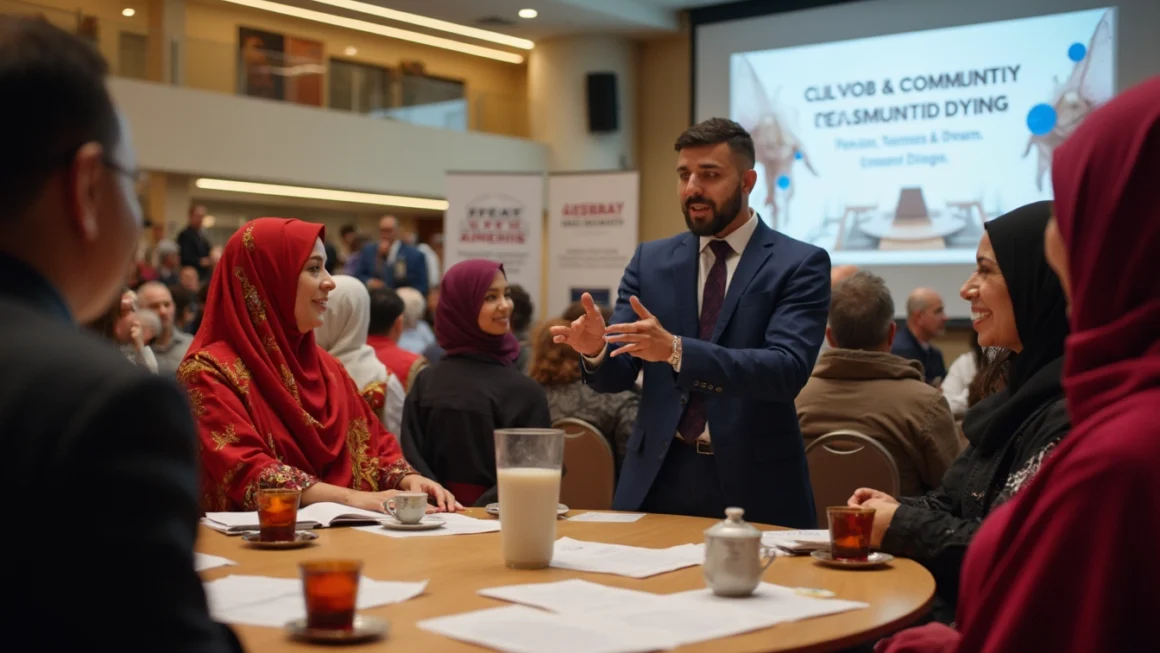
The Debate on Assisted Dying: Perspectives from Bradford’s Muslim Community
Table of Contents
Assisted dying has become a contentious topic of discussion across various cultures and religions. The recent legislative efforts surrounding the Assisted Dying Bill have reignited debates within communities, particularly in places like Bradford, which boasts a significant Muslim population. This article delves into the diverse perspectives of Bradford’s Muslim community, exploring the moral, ethical, and religious considerations that inform their stance on assisted dying.
Understanding the Assisted Dying Bill
The Assisted Dying Bill seeks to provide terminally ill patients with the legal right to end their lives with medical assistance. Advocates argue that it offers dignity and control to those experiencing unbearable suffering, while opponents often voice concerns over potential abuses and moral implications. The conversation is complex, intertwining legal, ethical, and deeply personal dimensions.
Religious Context: Islamic Views on Assisted Dying
Islamic teachings traditionally uphold the sanctity of life, viewing life as a divine trust that humans must steward diligently. This perspective often leads to opposition against assisted dying, as it conflicts with the belief that only Allah has the authority to give and take life. Many Muslim scholars and community leaders in Bradford echo this sentiment, emphasizing the eternal value of life and urging compassionate care and support through end-of-life stages, rather than interventions to hasten death.
Diverse Opinions Within the Community
While there is a predominant religious standpoint against assisted dying, it is crucial to acknowledge the diversity of opinions within Bradford’s Muslim community. Some individuals emphasize the importance of personal autonomy and compassion, considering exceptions in extreme cases of suffering. These conversations highlight the evolving nature of religious interpretations and the need for open dialogue within communities.
- Ethical Dilemmas: Balancing religious directives with personal suffering presents ethical dilemmas. How can individuals reconcile these tensions when making deeply personal decisions?
- Compassionate Care: Supporters of assisted dying often advocate for improved palliative care and increased dialogue around end-of-life choices, ensuring that decisions are informed and respectful of individual beliefs.
- Legal Considerations: The potential legalization of assisted dying raises questions about its implementation, safeguards, and how it aligns with an individual’s religious beliefs.
The Role of Community Leaders and Scholars
Religious leaders and scholars play a pivotal role in shaping the discourse around assisted dying within the Muslim community. Their interpretations of Islamic teachings significantly influence congregants’ attitudes and perceptions. Engaging these leaders in broader discussions about palliative care and patient rights is essential to ensure that community members can make informed decisions that honor their faith without neglecting their personal and familial realities.
The Need for Dialogue and Understanding
As assisted dying becomes a more prominent legal and ethical issue, fostering respectful dialogue and understanding within and between communities is crucial. Bridging the gap between legal frameworks and religious beliefs requires sensitivity, empathy, and a commitment to protecting human dignity.
Through discussions and community engagement, constructive solutions can emerge that respect both religious teachings and individual autonomy. For more strategies on effective engagement within communities, consider exploring various resources and tools available for enhancing communication and policy understanding.
In this intricate debate surrounding assisted dying, it is evident that Bradford’s Muslim community is at a crossroads of maintaining traditional religious beliefs while addressing contemporary ethical and personal concerns. By engaging in open dialogue and seeking common ground, communities can navigate these complex issues thoughtfully and respectfully.
Concluding Thoughts on Assisted Dying in Multicultural Societies
The ongoing debates on assisted dying underscore the importance of understanding and respecting the cultural and religious fabric of multicultural societies like Bradford. Engaging with diverse perspectives allows for more inclusive decision-making processes that reflect the community’s collective values and ethical norms. As this discussion continues, exploring ways to integrate spiritual care with medical advancements remains a vital endeavor.
To facilitate discussions on sensitive topics like assisted dying, consider utilizing innovative communication and automation tools that can streamline community engagement processes effectively.
For more information on how to enhance community discussions, visit our website and discover the versatile solutions available.
Encouraging community members to share their thoughts and experiences on assisted dying can lead to a deeper understanding and more compassionate approaches that honor both individual liberties and communal traditions. Engaging with empathy and openness paves the way for inclusive and thoughtful resolutions to complex ethical issues.